
2026 WEC Technology Advancements: 8 Big Changes
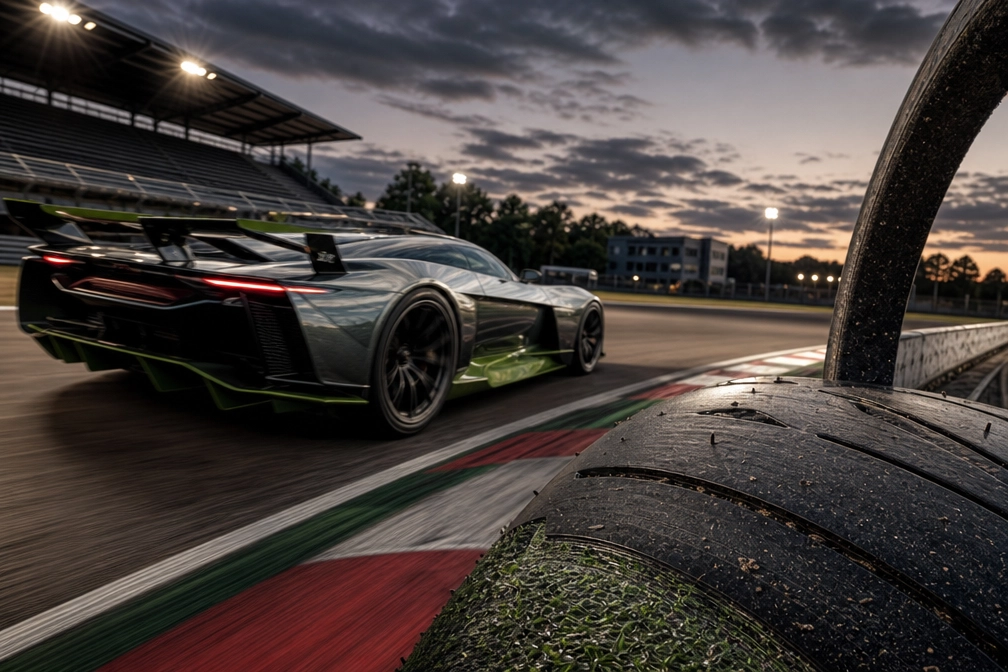
2026 WEC technology advancements center on Michelin’s renewable tires, Bosch’s hybrid parts, and Genesis Magma Racing’s new V8-powered Hypercar.
Key Takeaways
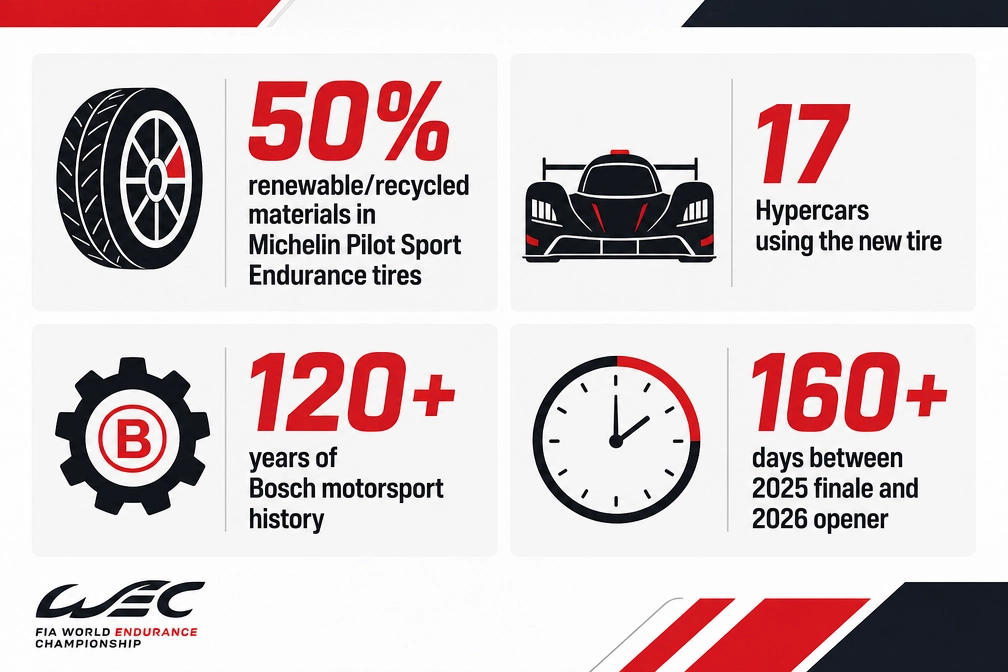
- Michelin’s Pilot Sport Endurance tire now runs on all 17 Hypercars on the grid, built with 50% renewable or recycled materials (FIA WEC)
- Bosch marks over 120 years in motorsport while extending its FIA WEC deal through the 2026-27 seasons (FIA WEC)
- Genesis Magma Racing’s GMR-001 debuted with a 3.2-litre Turbo V8, backed by a 10-year Shell partnership with Hyundai Motorsport (Hyundai Motorsport)
- Hydrogen racing research traces back to 2018’s MissionH24 program, still active at the 2026 Spa forum (FuelCellsWorks)
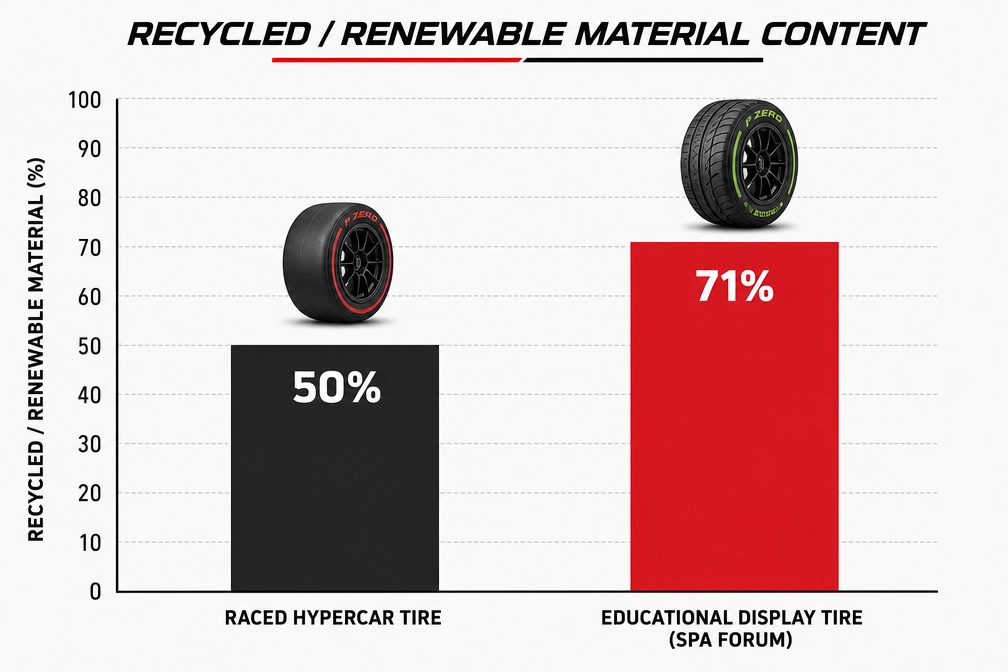
- An educational Michelin tire shown at Spa used 71% recycled content, higher than the 50% figure found in race tires (FuelCellsWorks)
- The 2026 season opened at Imola after a 160-day off-season, marking the championship’s 14th year (FIA WEC)
- A FIA TikTok clip explaining LED panel tech pulled in 16.5K views (FIA TikTok)
What’s the Biggest Tire Change in the 2026 FIA WEC Season?
The biggest change on track this year sits at each corner of every car. Michelin’s new Pilot Sport Endurance tire now equips all 17 Hypercars on the grid, replacing the compound teams raced through 2025 (FIA WEC).
What makes this tire different? About 50% of its raw material comes from renewable or recycled sources, including citrus peel, bio-sourced rice husk, and recycled steel (FIA WEC). Michelin spent two years turning the concept into a race-ready product.
Teams got their first real test of the new rubber at the Imola opener, where tire strategy shaped the outcome almost as much as engine output. For a full breakdown of how each car’s setup handled the switch, check the 2026 WEC car specifications.
Who Supplies the Hybrid System Parts for WEC Hypercars?
Bosch Motorsport builds the core hybrid parts running through every Hypercar’s power unit. That includes the MGU, the inverter, and the hybrid control unit that manages how electric power blends with the combustion engine (FIA WEC).
Bosch didn’t just show up for this season. The company carries more than 120 years of motorsport history, and it recently extended its FIA WEC and 24 Hours of Le Mans partnership through the 2026-27 seasons (FIA WEC).
That kind of long-term commitment matters for teams. Engineers designing around Bosch’s hardware know the parts won’t change mid-cycle, which is a big deal when you’re chasing reliability over 24 hours straight. Anyone curious about the engineering side of this work can look into motorsport technical roles that keep hybrid systems running.
What New Car Joined the WEC Hypercar Class for 2026?
Genesis Magma Racing’s GMR-001 is the new face of the Hypercar grid this year. It’s powered by a Genesis G8MR 3.2-litre Turbo V8, built with knowledge pulled from Hyundai’s WRC I4 engine program (Hyundai Motorsport).
Shell joined the project too, named Official Performance and Innovation Partner. That means custom lubricants and coolants built around the GMR-001’s engine, not a generic off-the-shelf mix (Hyundai Motorsport).
It’s a neat example of one series feeding another. If you want to see how rally engine work compares to this kind of endurance V8 build, the piece on World Rally Championship engine differences lays out the numbers, and the most epic V8s ever built gives extra background on what makes a turbo V8 tick.
Is Hydrogen Technology Part of WEC’s Future Plans?
Yes, and the work goes back further than most fans realize. The ACO and H24Project have researched hydrogen racing since 2018, starting with a prototype first shown at Spa-Francorchamps (FuelCellsWorks).
That early work led to the LMPH2G, the H24, and Alpine’s Alpenglow demonstrator, plus a planned Hydrogen category for the 24 Hours of Le Mans. The 2026 Spa forum brought all of it back into view, including its third teacher-focused education event for European schools (FuelCellsWorks).
Fans on-site also got a hands-on demo, with a hydrogen-powered bus running a public showcase at 12:50 p.m. that Friday (FuelCellsWorks). For more on how the series builds these moments into race weekends, see the WEC fan experience in 2026.
| Partner | Partnership Length | Product Supplied | Key Stat |
|---|---|---|---|
| Bosch Motorsport | 2026-2027 seasons (120+ years in motorsport) | MGU, inverter, hybrid control unit | 120 years of history |
| Shell | 10 years with Hyundai Motorsport | Custom lubricants and coolants for the GMR-001 | 10-year partnership |
| Michelin | 2 years of tire development | Pilot Sport Endurance tire on all 17 Hypercars | 50% renewable content |
How Sustainable Are Michelin’s Newest Race Tires Beyond Competition?
Michelin’s display work goes further than what’s actually raced. An educational tire shown at the 2026 Spa hydrogen forum used 71% recycled material, well past the 50% figure found in the tires Hypercars race on today (FuelCellsWorks).
Why show a tire that isn’t even on track yet? These models give fans and researchers a look at where the company’s material science is headed, ahead of what might land in future race compounds.
It’s a small but telling detail: race tires are usually the test bed everyone watches, but the concept models sitting quietly at fan events sometimes tell you more about what’s coming next.
How Long Is the Off-Season Break Before the 2026 WEC Opener?
Teams had 160 days to prepare between the 2025 season finale in Bahrain and the 2026 opener at Imola (FIA WEC). That race also kicked off the championship’s 14th season.
The 6 Hours of Imola got underway at 13:00 CEST on Sunday, April 19, giving crews a clean slate to bolt on Michelin’s renewable tires and Bosch’s hybrid hardware without the pressure of a shortened winter break (FIA WEC).
Five-plus months is a long runway by racing standards. Follow how that early testing translated into actual finishing order through 2026 WEC live coverage.
How Long Has Shell Partnered with Hyundai Motorsport?
Shell and Hyundai Motorsport have worked together for 10 years, mostly through the World Rally Championship program (Hyundai Motorsport). That history carried straight into the FIA WEC entry for 2026.
Under the new deal, Shell supplies custom lubricants and coolants built specifically for the GMR-001’s 3.2-litre Turbo V8 (Hyundai Motorsport). A decade of shared data between the two companies means fewer surprises when tuning fluids for a brand-new engine platform.
Ten years is rare in motorsport sponsorship, where deals often last a season or two. This kind of loyalty tends to pay off in reliability, not just marketing.
How Is WEC Engaging Fans with New Technology Content?
Short-form video is doing a lot of the explaining now. A FIA TikTok clip titled “LED Panels Explained” pulled in 16.5K views, breaking down a piece of car tech most fans never got a plain-language answer on before (FIA TikTok).
These clips sit alongside on-site displays like the hydrogen bus demo and the educational tire models, giving fans multiple ways to get into the technical side of the sport without reading an engineering manual.
Curious how the tech shown in these videos plays out on race day? The 2026 WEC race results page tracks how each innovation performed once the lights went out.
Frequently Asked Questions
What is the biggest tire change in the 2026 FIA WEC season?
Michelin’s new Pilot Sport Endurance tire now equips all 17 Hypercars on the 2026 grid. It’s made from 50% renewable or recycled raw materials, including citrus peel, bio-sourced rice husk, and recycled steel. The tire took two years to develop after starting as a demonstrator concept five years earlier. (FIA WEC)
Who supplies the hybrid system parts for WEC Hypercars?
Bosch Motorsport builds the MGU, inverter, and hybrid control unit used across the Hypercar class. The company has more than 120 years of motorsport history behind it, and it just extended its FIA WEC and 24 Hours of Le Mans partnership through the 2026-27 seasons. (FIA WEC)
What new car joined the WEC Hypercar class for 2026?
Genesis Magma Racing’s GMR-001 made its debut in 2026, powered by a Genesis G8MR 3.2-litre Turbo V8 built using lessons from Hyundai’s WRC I4 engine program. Shell was named Official Performance and Innovation Partner, supplying custom lubricants and coolants for the new car. (Hyundai Motorsport)
Is hydrogen technology part of WEC’s future plans?
Yes. The ACO and H24Project have worked on hydrogen racing since 2018, starting with a prototype unveiled at Spa-Francorchamps. That work led to the LMPH2G, H24, and Alpine’s Alpenglow demonstrators, plus a planned Hydrogen category for the 24 Hours of Le Mans, shown off again at the 2026 Spa hydrogen forum. (FuelCellsWorks)
How sustainable are Michelin’s newest race tires beyond the ones used in competition?
An educational tire shown at the 2026 Spa hydrogen forum used 71% recycled materials, well past the 50% figure found in the tires actually raced by Hypercars this season. Michelin uses these display models to show fans and researchers how far its decarbonization work has come. (FuelCellsWorks)
How long is the off-season break before the 2026 WEC opener?
More than 160 days passed between the 2025 season finale in Bahrain and the 2026 opener at Imola. That race marked the start of the championship’s 14th season, giving teams a long window to test new parts like Michelin’s renewable tires and Bosch’s hybrid components. (FIA WEC)
How long has Shell partnered with Hyundai Motorsport?
Shell and Hyundai Motorsport have worked together for 10 years, mostly through the WRC program. That relationship now extends to Genesis Magma Racing’s FIA WEC entry, where Shell supplies custom lubricants and coolants tailored to the GMR-001’s 3.2-litre Turbo V8 engine. (Hyundai Motorsport)